12 Metal Chicken Run Ideas: Frames, Panels and Layouts to Copy
Metal runs have quietly taken over the backyard chicken world, and it is not hard to see why: steel panels do not rot, do not warp, and go up in an afternoon with a socket wrench instead of a saw. These twelve metal chicken run ideas run from flat-pack panel kits and portable cages to electric netting and full mobile barns — every one with a spec card covering footprint, hens, a 2026 cost estimate and difficulty.
One warning before the list: with metal, the frame is rarely the problem — the mesh is. Many kits ship with wide-spaced wire that keeps hens in but lets raccoon paws and small predators through, so most ideas below assume a hardware-cloth lining where it counts. Our predator-proofing guide explains the gaps that matter, and the sizing guide will keep you honest on space: 10 square feet per hen, whatever the frame is made of. If you are comparing against timber, the wooden chicken run ideas cover the same ground in wood.
1. Portable Steel Cage Pen
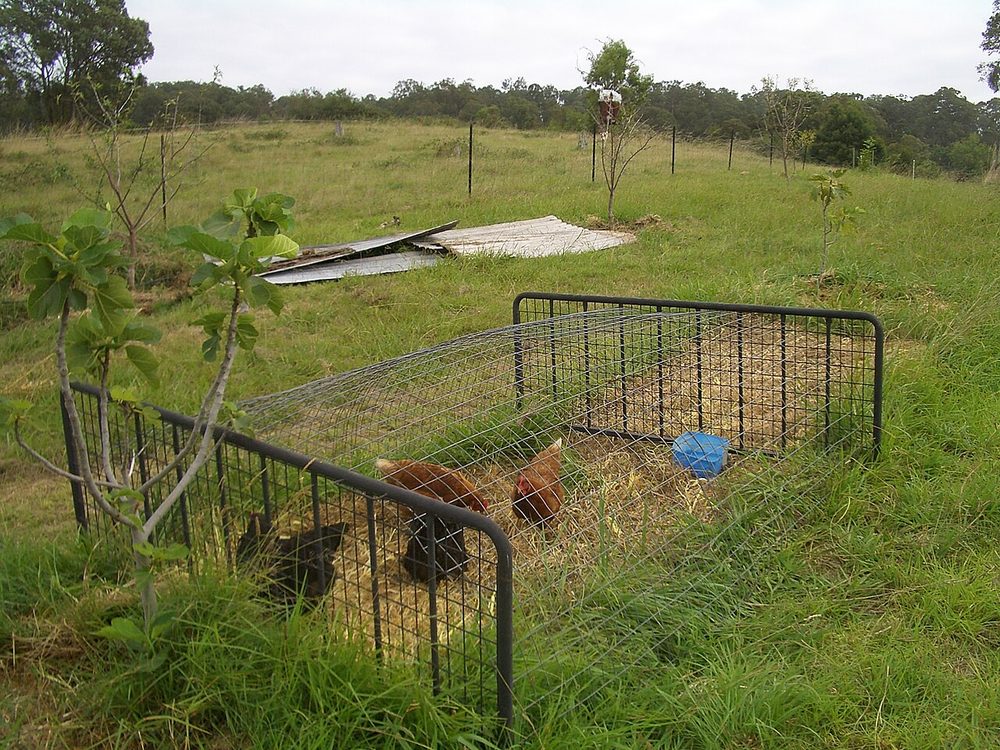
The portable cage pen is the metal answer to the wooden ark: a rigid steel-tube frame, mesh on all sides and top, no floor, light enough for two people to carry and stiff enough not to rack when you drag it. It shines as a grow-out pen, a hospital pen, and a lawn-rotation day run, because the frame shrugs off the daily moving that slowly shakes wooden tractors apart.
Check the tube gauge before buying or building — the thinnest cages flex at the corners and the doors stop closing square within a season. Corner braces matter more than tube diameter. And like every floorless pen, this is a daytime tool: birds sleep in a secure coop, because a cage that lifts easily for you also lifts easily for a determined dog unless it is staked or weighted at the corners.
2. Fence-Line Run in PVC-Coated Mesh
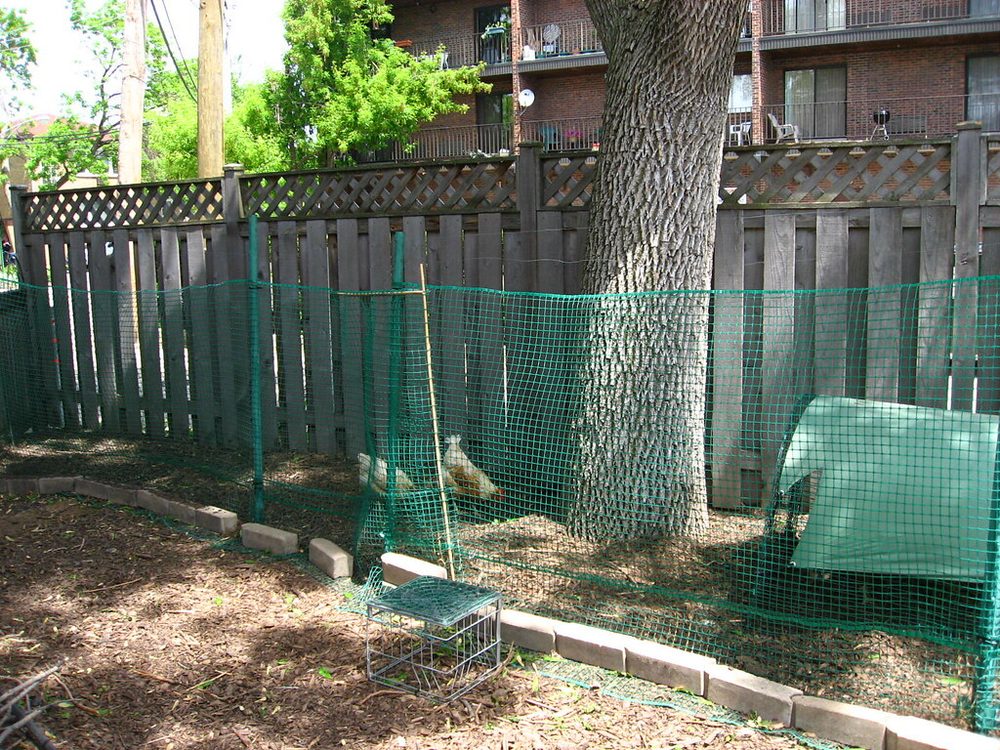
Green PVC-coated welded mesh on steel posts is the run you barely see: the coating blends into the garden, the mesh is stiff enough to stay flat between posts, and the whole run hugs a fence line where nothing else fits. It is the standard construction for suburban runs that have to pass the neighbour test, and it pairs with any small coop placed inside or butted against the end.
Set posts at 5–6 foot intervals and tension the mesh properly — coated mesh sags worse than bare wire when it is hung slack, because the coating hides how loose it is until it bellies. Use the coated mesh for the upper walls by all means, but keep ½-inch hardware cloth for the bottom 2 feet and the ground apron: determined teeth go through PVC coating and thin core wire faster than through proper galvanised cloth.
3. Plastic Coop Inside a Steel Mesh Run
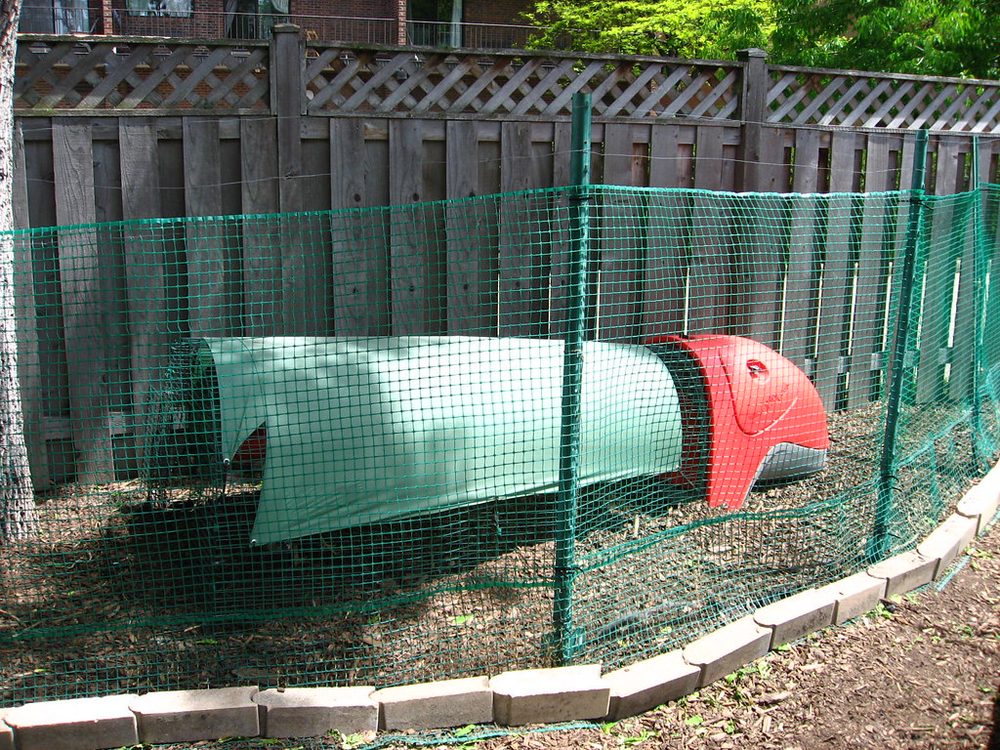
The moulded plastic coop — the Eglu style — earns its keep inside a larger steel mesh run. On its own the coop's own little run is too small for anything but a pair of bantams, but set the coop inside a proper run and you get the best of both: a coop that hoses clean in minutes and never rots, and hens with real space outside it.
Budget honestly: the coop is the expensive half of this idea, and second-hand plastic coops are worth hunting because the material barely ages. What does age is the run's mesh and door hardware, so inspect used kits at the hinges and latches. In hot climates, site the plastic coop in shade — dark plastic in full summer sun gets genuinely hot, and the run layout should give the flock a shaded corner that is not inside the coop.
4. Fine-Mesh Run for Bantams and Chicks
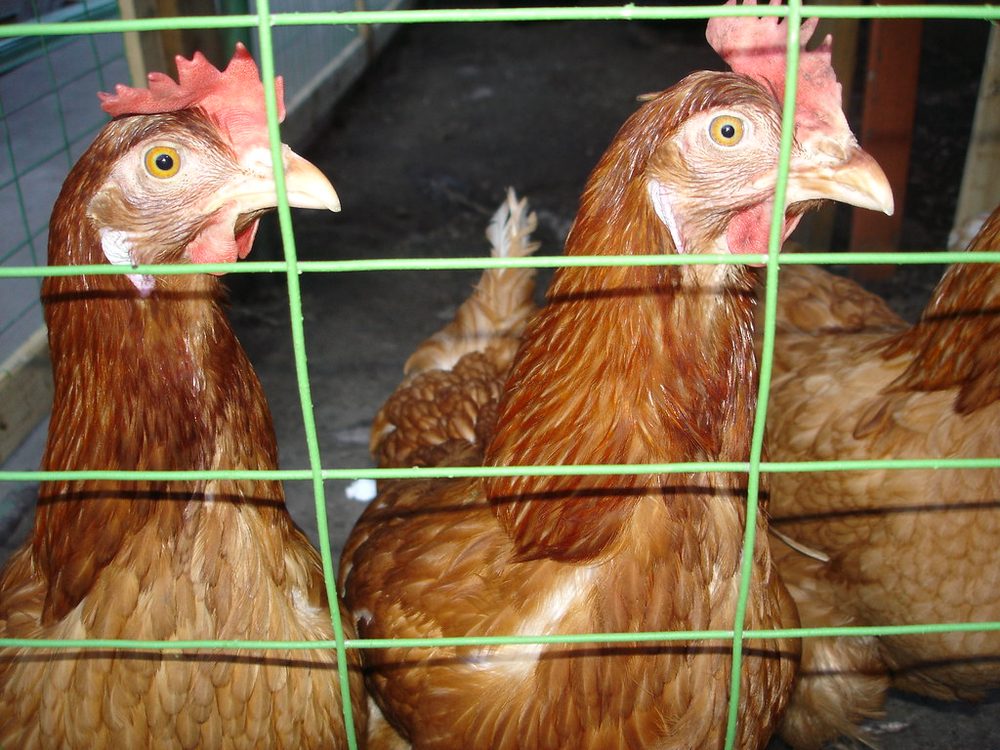
Standard run mesh is sized for standard hens. Bantams slip through gaps that look harmless, and chicks walk through ordinary welded wire like it is not there. A dedicated small run in fine mesh — ½-inch hardware cloth throughout, including the top — is the safe home for little birds, and it doubles as a broody pen and a hospital ward for the main flock.
Because the mesh is the structure's skin everywhere, this is the one metal run where the cloth choice is the whole design. Buy 19-gauge galvanised hardware cloth, fix it with screws and washers rather than staples, and overlap seams by an inch with the edges folded — cut hardware cloth is razor-edged, and a folded seam protects both the hens and your hands. Small runs also overheat fast, so give it a solid roof panel over at least half the top.
5. Electric Poultry Netting Layout
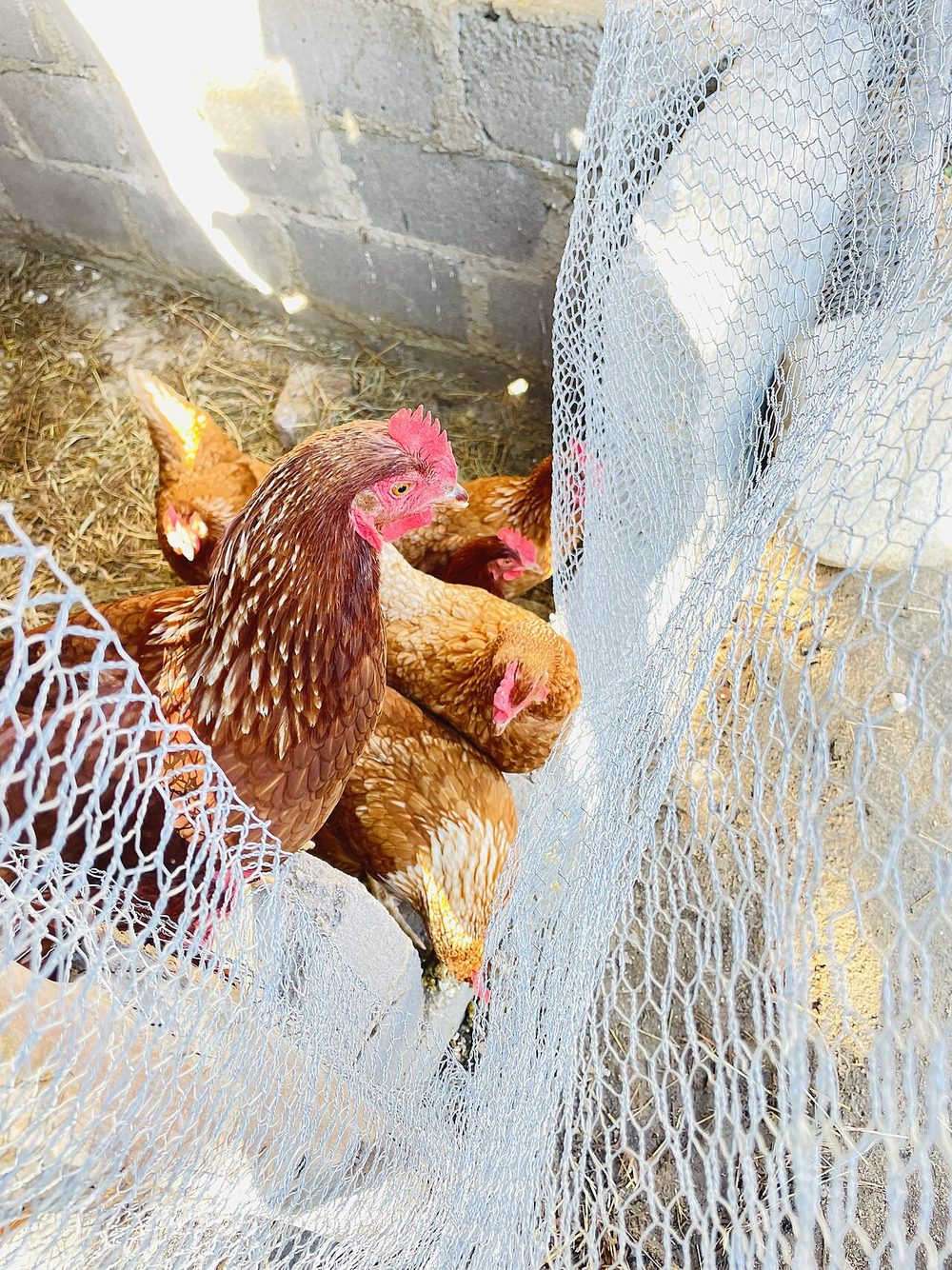
Electric netting is the only run on this page with no frame at all: a roll of mesh with built-in posts, energised by a small solar or mains energiser. It goes up in twenty minutes, moves in fifteen, and redraws the run boundary whenever the ground needs resting. For flocks over fifteen birds on real land, nothing else comes close on cost per square foot or flexibility.
Understand what it is and is not. The shock teaches foxes, dogs and raccoons to keep away, and hens learn the fence in a day — but it stops nothing that flies, and a hawk sees an open paddock, not a run. Grass growth shorts the bottom strands, so mow or strim the fence line before setting it, and test the charge weekly. Netting is a brilliant ranging tool paired with a secure coop; it is not a fortress, and it should never be the only thing between hens and a known predator problem.
6. Welded-Wire Garden Run
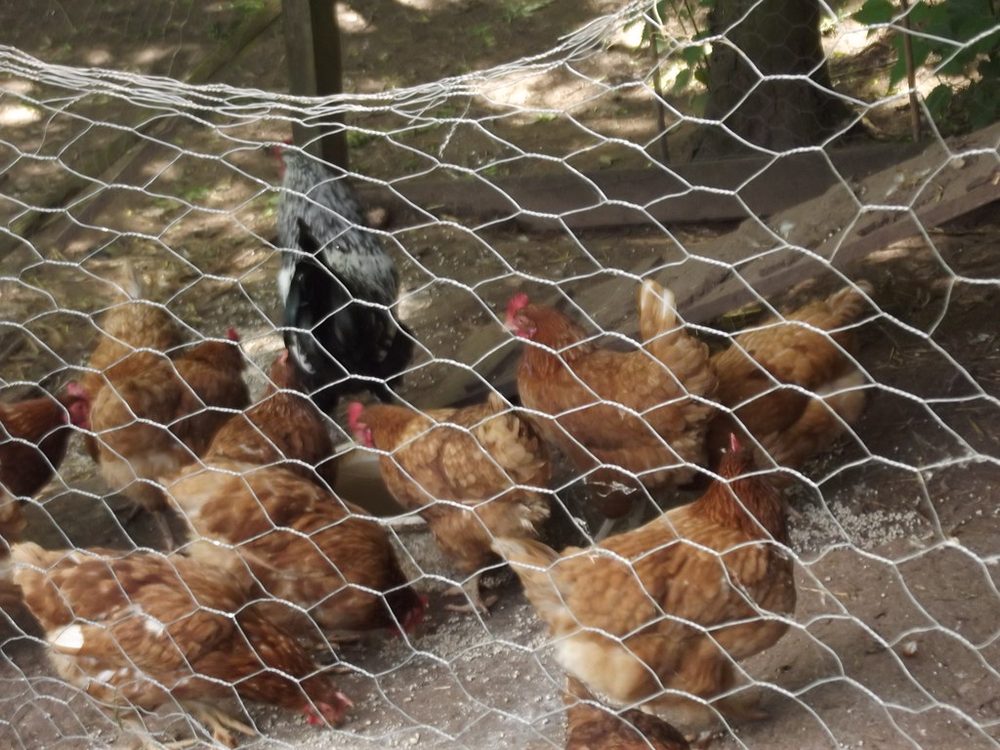
Plain welded-wire fencing on posts, with the garden on one side and the hens on the other, is the working run of allotments and kitchen gardens everywhere. The mesh is cheap, stiff, and easy to cut and join; the layout usually borrows one side from an existing fence or hedge line. Hens patrol their side, eat the slugs that cross, and leave the crops alone.
Welded wire comes in grades that look identical on the roll. For a run that matters, choose 14-gauge or heavier with welds that do not pop when you flex a corner — cheap 19-gauge fencing tears at the welds within a couple of seasons. The standard spacing (2×4 inch or 2×2 inch) is fine for keeping hens in and foxes out at a distance, but raccoons reach through it, so the side nearest cover or trees deserves the hardware-cloth treatment described in our predator-proofing guide.
7. Mobile Steel Barn (the Eggmobile Layout)
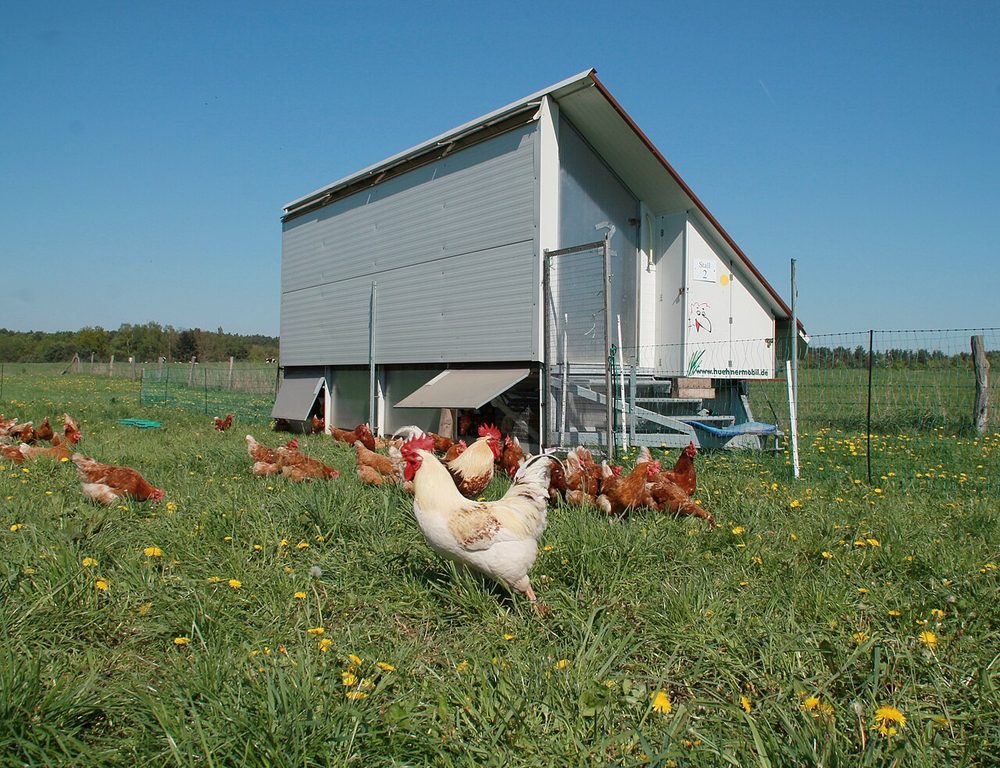
At the top of the metal range sits the mobile barn: a steel-framed, towable house on wheels or skids, moved between paddocks with the flock ranging around it inside netting or fencing. European eco-farms run these at serious scale, but the layout scales down — the principle (house moves, ground rests, manure spreads itself) works for thirty hens as well as three hundred.
It is included here as a layout to copy in miniature, not a weekend project. A steel-framed trailer coop with a mesh-floored run section under a canopy gives a backyard-plus keeper the same rotation benefits. What does not scale down is the cost per bird if you buy new — these barns make financial sense for egg sellers, and for everyone else the honest route is the smaller portable pens above or a coop-and-run combo on wheels.
8. Chain-Link Kennel Conversion
The dog kennel conversion is the best-value metal run there is, because the used market is full of kennels and the frames are genuinely strong. Panels clamp together in an hour, the door already exists and already latches, and you start with 100 square feet of structure for the price of the mesh you will add to it.
That mesh is not optional. Chain-link's diamond gaps pass raccoon paws, weasel bodies and young hens, and the top is wide open to climbers and hawks. Line the bottom 3 feet with hardware cloth, roof it with mesh or panels, and add a ground apron. Do those three jobs and a kennel conversion is stronger than most purpose-built kits at twice the price. Skip them and it is a feeding station with a door. The same build appears in our main cheap run ideas list — it earns its place in both.
9. Cattle Panel Hoop Run
Two or three 16-foot cattle panels, arched between ground rails and skinned in hardware cloth, make the strongest cheap structure in this entire list. The arch sheds snow, shrugs at wind, and cannot be pushed flat by a leaning dog the way straight panel walls can. It is the run design small farms reach for when everything lighter has failed.
The panels themselves are not the barrier — their grid is far too open — so budget the hardware cloth skin as part of the idea, not an extra. Work in gloves from the first minute: cut cattle panel ends are sharp enough to open a glove, let alone a hand. Anchor the ground rails with stakes or earth screws, because an unanchored hoop is a sail with a hens-under-it problem. One end gets a framed door; the other can be solid or mesh depending on your wind.
10. Aviary Panel Walk-In Run
Aviary panels — welded mesh already framed in steel or aluminium sections — bolt together into the tidiest walk-in runs you can buy. Panels come in standard widths, doors come pre-hung in their own panel, and the whole run can be unbolted, moved and rebuilt when you move house. It is the closest thing to furniture that a chicken run gets.
Read the mesh specification before the price. Panels framed with 1×2 inch welded mesh are a reasonable barrier; panels with wider mesh are a frame waiting for your hardware cloth. Also check how panels join at the corners — the best kits use proper corner posts, the worst rely on cable ties and optimism. A roof of matching panels is worth the money in hawk country; shade cloth over mesh is the budget version, and our roof ideas run through every option from tarps to tin.
11. Galvanised Frame Run with a Hardware-Cloth Skin
This is the DIY version of the aviary kit: a frame of galvanised tube or angle, skinned entirely in ½-inch hardware cloth you cut and fix yourself. You get a permanent, walk-in, rot-proof run sized exactly to your yard — no kit compromises, no leftover panels — at a material cost between a kennel conversion and a premium kit.
The work is in the skinning. Hardware cloth must go on taut and flat, fixed every few inches with screws and washers or a pneumatic stapler with stainless staples, edges folded or covered with trim so nothing sharp faces the hens. Work panel by panel and tension as you go; a skin fixed slack will drum in the wind and fatigue at the fixings. Take the cloth 12–18 inches out flat at the base as an apron while you are at it — you are already on your knees, and it is the single best anti-digging measure there is.
12. Folding Panel Playpen Run
Folding exercise-pen panels — the kind sold for puppies — make a perfectly serviceable temporary chicken run: they concertina out into a circle or square in a minute, fold flat into a car, and need no tools at all. For supervised grass time, a quarantine weekend, or letting new birds meet the flock through a barrier, they are the fastest run you will ever set up.
Know the limits and this idea behaves. The panels are low, light and wide-meshed: hens can fly out, predators can get in, and nothing about it is secure overnight. Use it as a supervised day pen and an introduction tool, throw a mesh or shade cover over the top to stop fly-outs, and never count its square footage as part of your flock's real housing. Temporary tools are wonderful — as long as nobody asks them to be permanent ones.
How to choose between these metal runs
Match the metal to the job. For a permanent backyard run, the aviary panel kit (#10) is the easiest good answer, the galvanised frame (#11) is the best-value good answer, and the kennel conversion (#8) is the cheapest good answer if a used kennel turns up near you. For anything that must move — rotation, quarantine, growing birds — the portable cage (#1), electric netting (#5) and folding pen (#12) divide the work by flock size: pen for a few, cage for a group, netting for a flock. Weight matters too — if a pen must cross soft ground or be carried any distance, light tube frames earn their keep over heavy galvanised steel, because a run that is a struggle to move stops being moved.
Then interrogate the mesh, because that is where metal runs succeed or fail. Fine mesh throughout for bantams and chicks (#4); hardware cloth at ground level everywhere else; and a real roof plan wherever hawks hunt. If the numbers are tight, remember the mesh matters more than the frame — a modest frame in proper cloth beats a gleaming kit in wide wire every time, and our budget guide shows how to split the money.
Metal chicken run FAQs
Are metal chicken runs better than wooden ones?
Different, not simply better. Metal wins on lifespan (no rot), assembly speed and consistency; wood wins on repair cost, looks in a garden, and how easily you can modify it later. Many of the best runs are hybrids — a timber frame with a metal roof, or steel panels with a wooden coop. Choose by your site and skills, not by loyalty to a material. Cost per year of working life is the fairest comparison of all: a galvanised panel run that costs twice as much as a wooden one but lasts three times as long is, in the end, the cheaper run.
Do metal runs get too hot in summer?
The frame does not heat the run; a solid metal roof in full sun can. Mesh-topped metal runs are as cool as any design, and steel actually sheds heat faster than timber once the sun moves off. If you roof a metal run solidly, leave the top of the walls open as a ventilation band and give the flock a shaded corner — the same rules as any roofed run.
What gauge of mesh should a metal run have?
For the barrier that matters, ½-inch hardware cloth in 19-gauge galvanised steel is the standard recommendation; 16-gauge is stronger still. Welded panel mesh of 14-gauge or heavier is a sound structural skin. The wide, thin wire bundled with cheap kits is the weak point of most metal runs — plan to line at least the bottom section, whatever the box promises.
Will a metal run rust?
Galvanised and powder-coated steel resist rust for years; raw or damaged coatings rust at cuts and scratches first. Touch up cut ends with cold-galvanising spray, keep the base out of standing water, and expect fixings to age before panels do. Stainless or coated screws are worth their small premium on a build you want to last a decade.
Can raccoons get into a metal run?
Through the mesh, if the mesh is wide — chain-link and wide welded wire both pass a raccoon's arm, and raccoons also learn simple latches. Metal framing does not change raccoon behaviour; mesh size, aprons and two-step latches do. Fit them as described in our predator-proofing guide and a metal run is as secure as any structure in the garden.
How much does a metal chicken run cost?
A used-kennel conversion can land under $200 finished; mid-range panel kits for 8–10 hens run roughly $380–$650 before any extra lining; a self-built galvanised frame sits between the two. All figures here are 2026 estimates. Per square foot, electric netting is cheapest of all — but it buys a boundary, not a building, and should be budgeted alongside a secure coop.
Ready to build one properly?
Our free starter plan — the Backyard Run, 8′ × 16′ — gives you the full materials list, tool list and step-by-step build outline for a permanent run that holds up to 12 hens, whatever frame material you choose.
Keep planning
15 Wooden Chicken Run Ideas
The same layouts in timber, from arks to walk-in gabled runs.
15 Cheap DIY Chicken Run Ideas
All fifteen budget builds with spec cards.
Chicken Run Roof Ideas
From tarps to tin: roofing every frame on this page.
Pin it for later